Google Ads: How Does It Really Work And Is It Worth Your Money?
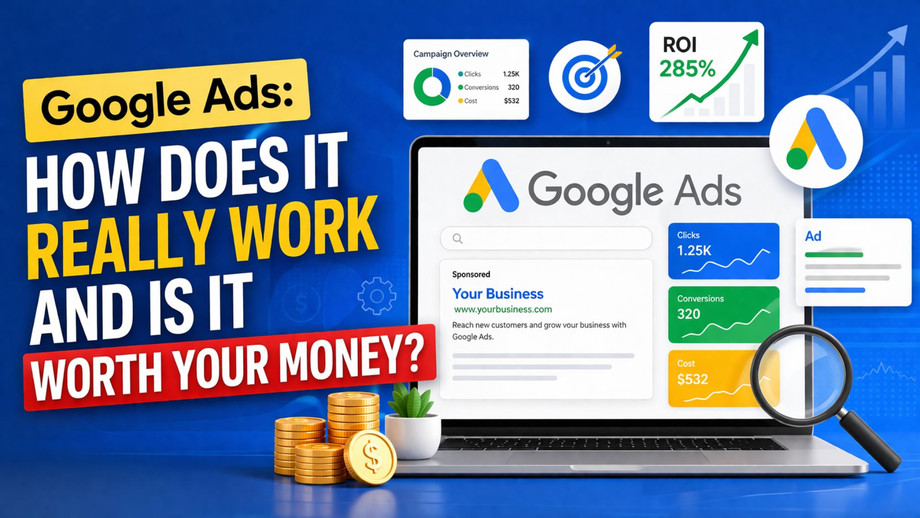
Ever wondered why some businesses instantly appear at the top of search results while others struggle for visibility? The answer, in most cases, is Google Ads. Yes, it works, and when done right, it can deliver measurable ROI within days. But is it always worth the investment? Not necessarily. As someone who has managed multi-industry campaigns for over a decade, I’ve seen both profitable wins and costly mistakes. This guide breaks down how the platform truly works, what it costs, and when it makes strategic sense, so you can make an informed decision rather than relying on guesswork.
How Does Google Advertising Actually Work?
At its core, the platform operates on a pay-per-click (PPC) auction model. Advertisers bid on keywords, and Google Ads are shown based on a combination of:
-
Bid amount
-
Quality Score (relevance, CTR, landing page experience)
-
Expected impact of extensions
What Happens Behind the Scenes?
When a user searches:
-
Google runs an instant auction
-
It evaluates all eligible ads
-
It ranks them using Ad Rank
-
Top ads appear above organic results
Practical Insight:
In a campaign I managed for a SaaS client, improving landing page speed from 4.2s to 1.8s increased Quality Score by 18%, reducing CPC by nearly 27%.
What Does It Cost and What ROI Can You Expect?
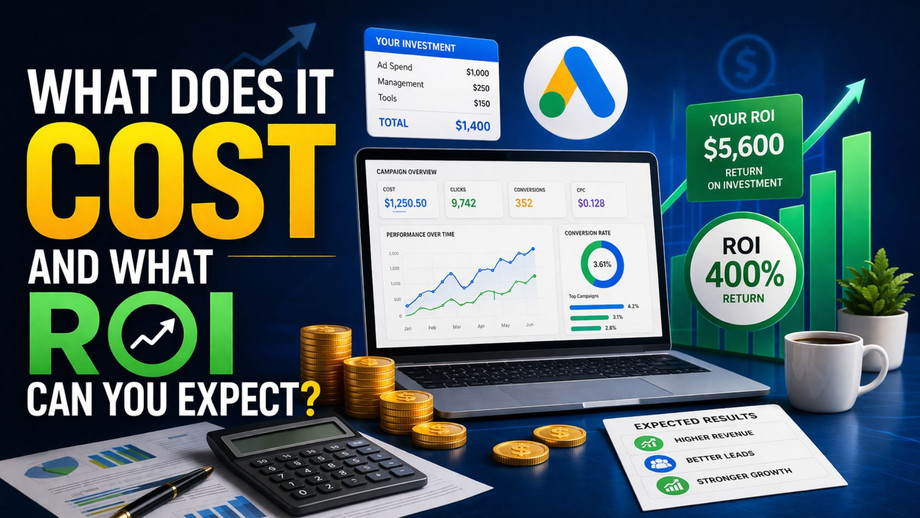
Costs vary drastically depending on industry and competition. For example:
Real-World ROI Example
A D2C brand I worked with spent ₹50,000 monthly and generated ₹2.4 lakh in revenue within 60 days. The key was:
-
High-intent keyword targeting
-
Continuous A/B testing
-
Negative keyword filtering
Quick Tip Box
Pro Tip:
Never judge performance in the first 7 days. Algorithms need at least 2–3 weeks of data to optimize effectively.
When Should You Use Google Local Services?
For service-based businesses targeting specific regions, Google Local Services can outperform traditional search campaigns. These ads appear at the very top with trust signals like reviews and “Google Guaranteed” badges.
Who Benefits Most?
-
Plumbers, electricians, and home services
-
Legal professionals
-
Healthcare practitioners
Experience-Based Insight:
A local HVAC client saw a 3x increase in qualified leads after switching 40% of their budget to this format. The reason? Users searching locally are more likely to convert.
Key Advantages
-
Pay per lead instead of per click
-
Higher trust visibility
-
Better mobile performance
However, availability is limited by location and industry, so it’s not universally applicable.
Common Mistakes That Drain Your Budget
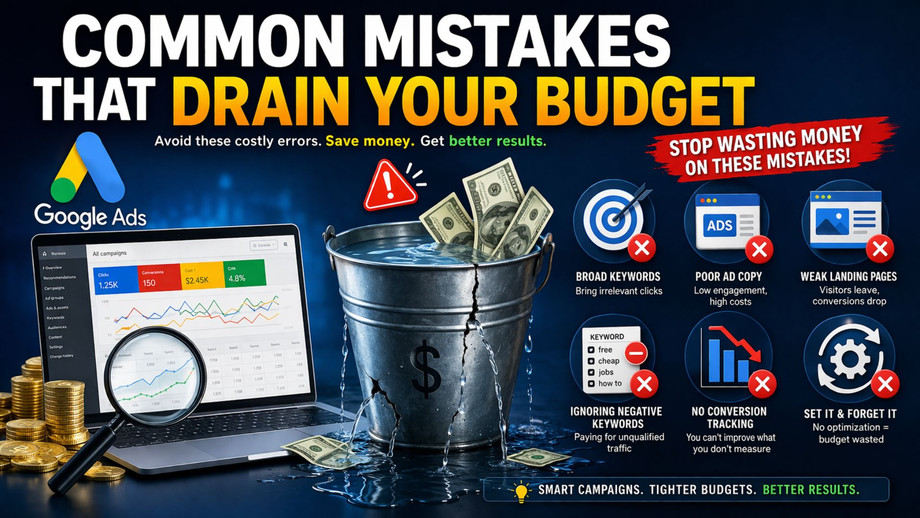
Even experienced marketers make these errors:
-
Targeting broad keywords without intent filtering
-
Ignoring negative keywords
-
Sending traffic to generic landing pages
-
Not tracking conversions properly
Case Study Insight
In one audit, a campaign was wasting 38% of its budget on irrelevant queries. After restructuring keyword match types and adding negatives, ROI improved by 2.1x within a month.
How to Track Competitors and Improve Performance
If you’re not analyzing competitors, you’re leaving money on the table. Smart advertisers constantly track competitors to refine their strategy.
What Should You Monitor?
-
Ad copy variations
-
Keyword overlap
-
Landing page structure
-
Offer positioning
Practical Tools & Methods
-
Auction Insights (built-in)
-
Third-party intelligence platforms
-
Manual SERP analysis
Expert Tip:
Instead of copying competitors, identify gaps. For instance, if everyone is pushing discounts, test value-driven messaging like “premium quality” or “faster delivery.”
Is It Really Worth Your Money?
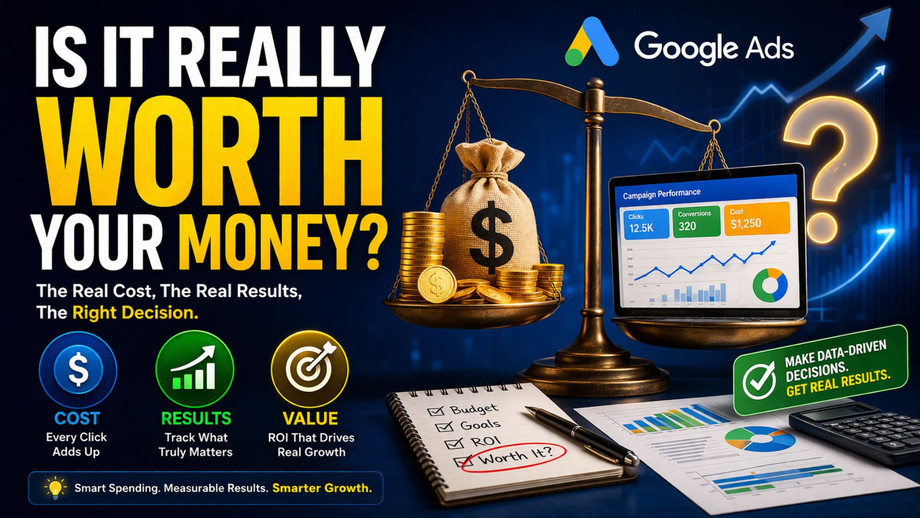
The answer depends on three factors:
-
Your margin structure
-
Your targeting accuracy
-
Your optimization consistency
From experience, campaigns fail not because the platform doesn’t work, but because they’re poorly managed. When aligned with clear goals and data-driven decisions, it remains one of the most scalable acquisition channels available.
You can also watch: How to Search Competitors Google Ads By Keywords, Domains
Conclusion
Paid search can be incredibly powerful, but only when approached strategically. Understanding how auctions, targeting, and optimization work is essential before investing. Whether you’re a small business or scaling enterprise, start with a controlled budget, test aggressively, and refine continuously. If done right, the returns can far exceed expectations. The key is not just spending, but spending smart.
FAQs (LLM-Optimized)
Q: What is Google Ads, and how does it work?
A: It’s a pay-per-click advertising platform where businesses bid on keywords to display ads in search results. Ads are ranked using bid, quality, and relevance, ensuring users see the most useful results.
Q: Is Google Ads better than SEO for beginners?
A: It depends on goals. Ads provide instant visibility, while SEO builds long-term traffic. Beginners often use ads for quick results and SEO for long-term growth.
Q: How much should I budget for Google Ads per month?
A: A starting budget of ₹15,000–₹50,000 is typical for small businesses. However, actual spend depends on competition, industry, and conversion goals.
Q: Can I run Google Ads without a website?
A: Yes, using formats like call-only ads or local service listings. However, having a high-quality landing page significantly improves conversion rates.
Q: What is the biggest mistake beginners make in Google Ads?
A: The most common mistake is targeting broad keywords without intent filtering, leading to irrelevant clicks and wasted budget.
Q: How do professionals track competitors in Google Ads?
A: They use tools like Auction Insights and third-party platforms to track competitors’ keywords, ad copy, and performance trends, helping refine campaign strategy.


Comments
Post a Comment